

Behavioural skills every professional needs in a hybrid workplace define success where teams collaborate across offices and remote settings. Modern organizations rely on hybrid workplace behavioural skills such as clear communication, accountability, and collaboration to maintain productivity. Hybrid environments reveal behaviour gaps quickly, making professional conduct a decisive factor in performance. Enable IST supports companies through structured programs, including behavioural skills training in Bangalore and Behavioural Training services in Kochi, helping professionals strengthen trust, responsiveness, and reliability in distributed teams while sustaining long-term organizational growth and employee confidence.
Why Hybrid Work Requires Different Behavioural Skills Than Office Work
Hybrid work transforms professional interactions, making behaviour more noticeable and influential than in traditional offices. Limited visual cues, delayed responses, and message misinterpretation create hybrid workplace challenges that disrupt collaboration and slow decision-making. Over-communication can overwhelm teams, while under-communication leads to confusion and disengagement. Isolation further weakens trust and team cohesion. Success relies on behavioural skills in remote work, where professionals practice clarity, responsiveness, and discipline instead of relying on supervision, ensuring productivity, alignment, and dependable teamwork across distributed environments.
Core Behavioural Competencies Professionals Must Develop
The hybrid settings require deliberate practices that can maintain co-operation, transparency, and responsibility. It is required that professionals reinforce hybrid workplace competencies that will facilitate digital communication, emotional sensitivity, and trust. Formal learning, such as the behavioural skills training in Bangalore, assists the employees to assume similar behavioural replicates which enhance reliability and cooperation. The ability to master these competencies will help professionals to remain productive, avoid misunderstandings, and establish good relationships even when there is little face-to-face interaction to guarantee sustainable performance in distributed work models.
Communication Clarity in Digital Conversations
Clear digital communication keeps hybrid teams aligned across multiple channels. Structured updates, concise writing, and summaries strengthen workplace communication skills hybrid teams by reducing confusion and repeated follow-ups. Confirming action points and timelines ensures accountability. Consistent clarity improves collaboration, supports faster decisions, and helps distributed teams maintain productivity despite time differences and limited real-time interactions.
Ownership and Accountability Without Supervision
The hybrid environments mean that the professionals are responsible but are not monitored. Being able to monitor deliverables, provide proactive updates, and identify risks in their initial stages makes accountability in remote work and creates trust. Regular ownership leads to minimization of delays, enhanced coordination and deadlines met. Follow-through should be reliable to show professionalism and facilitate an easy flow of operations of the teams without repetitive reminders.
Emotional Intelligence in Virtual Collaboration
Virtual communication demands awareness of tone and intent to prevent misunderstandings. Practicing empathy, acknowledging perspectives, and responding thoughtfully strengthen the emotional intelligence hybrid workplace and promote respectful dialogue. Professionals who manage reactions calmly reduce conflict and maintain positive relationships. Emotional awareness encourages open communication and helps teams navigate disagreements constructively while staying focused on shared goals.
Time and Boundary Management Behaviour
Effective time management prevents burnout and sustains productivity in hybrid work. Setting availability, defining response windows, and prioritizing tasks strengthen work life boundary skills hybrid while ensuring smooth collaboration. Respecting boundaries improves focus and reduces stress from constant connectivity. Structured schedules support realistic expectations and help teams balance workloads without sacrificing well-being or performance.
Conflict Handling Across Online Channels
Text-based communication can create misunderstandings when concerns remain unaddressed. Early clarification, choosing appropriate channels, and discussing issues directly strengthen conflict management in remote teams and prevent escalation. Video calls often resolve tone confusion faster than messages. Constructive conflict handling protects relationships, maintains trust, and keeps projects on track without prolonged tension or disruption.
Trust Building Without Physical Presence
Trust in hybrid teams develops through consistent actions and reliable communication. Meeting deadlines, providing transparent updates, and honoring commitments reinforce trust building in remote teams and strengthen credibility. Predictable behaviour reassures colleagues and managers, enabling smoother collaboration. Over time, reliability shapes positive perceptions and ensures distributed teams remain confident in each member’s contribution.
Behavioural Mistakes Professionals Make in Hybrid Work
· Disappearing after meetings creates accountability gaps and signals hybrid work behaviour problems that weaken team trust.
· Providing unclear updates leaves colleagues guessing about progress, causing delays and confusion in collaborative tasks.
· Passive participation during virtual discussions reduces idea sharing and lowers perceived engagement among team members.
· Misinterpreting messages without clarification leads to unnecessary conflicts and disrupts workflow continuity.
· A delayed response culture slows decision-making and frustrates teams working across tight schedules.
· These behaviour gaps collectively damage credibility and reflect poor workplace communication, reducing overall performance perception.
Behavioural Skills Managers Need to Lead Hybrid Teams
Effective hybrid managers set clear expectations, define deliverables, and align teams around shared goals. Structured check-ins help monitor progress, address concerns, and maintain accountability without micromanagement. Providing written feedback ensures clarity and creates reference points for improvement. Encouraging participation during virtual meetings strengthens engagement, while preventing silent disengagement protects team morale. Developing hybrid leadership skills enables managers to guide distributed teams with confidence. Adopting strong remote team management behaviour, supported by Behavioural Training services in Kochi, helps leaders transition from supervision to coaching, fostering trust, ownership, and consistent performance.
Role of Behavioural Training in Developing Hybrid Work Competencies
Behaviour change in hybrid environments requires consistent practice, feedback, and reinforcement rather than theory alone. Structured behavioural skills training for employees helps professionals develop communication clarity, accountability habits, and collaborative behaviours essential for distributed teams. Workshops simulate real hybrid scenarios, enabling participants to apply learning in practical contexts. Workplace behavioural training strengthens reliability and responsiveness through guided exercises and coaching. Enable IST behavioural development workshops focus on communication, accountability, and collaboration, ensuring teams build sustainable habits that support productivity, trust, and long-term performance.
How Organizations Implement Behavioural Skill Development Programs
Organizations implement behavioural training programs through a structured sequence that ensures measurable improvement. This is facilitated through evaluation to determine areas of weakness in behaviour, and then intensive workshops that present practical frameworks. Practice activities enable the employees to practice the new habits in actual work situations. Manager reinforcement maintains change by coaching and providing feedback, whereas measurement is achieved by using performance indicators. As an example, behavioural skills training in Bangalore has helped IT teams that are adopting hybrid models to enhance accountability, enhance the effectiveness of communication, and ensure that they collaborate in a distributed work environment.
Measuring Behavioural Improvement in Hybrid Teams
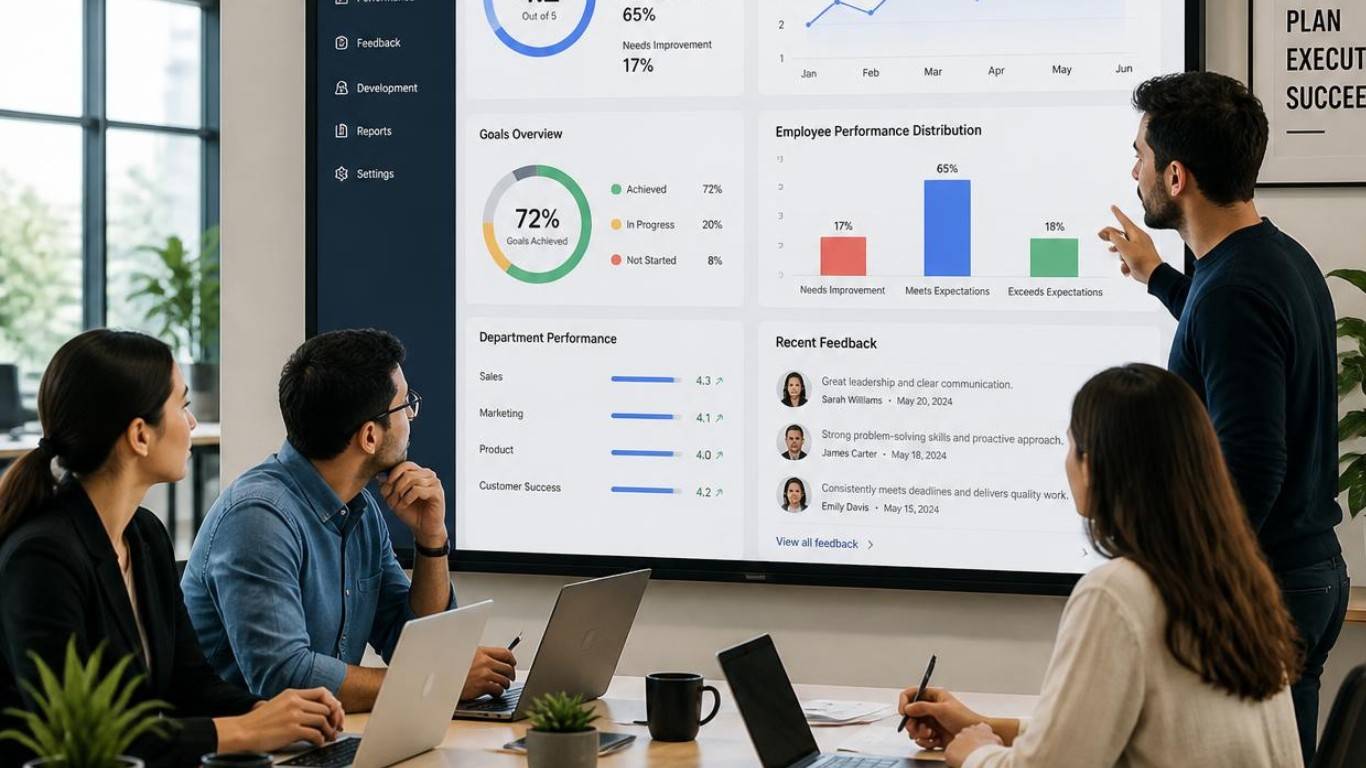
Organizations assess progress using behavioural performance metrics that reveal how effectively teams collaborate in hybrid environments. Important hybrid productivity indicators include response time, meeting participation, task completion reliability, peer feedback, and engagement scores. These metrics highlight behaviour patterns that influence trust, accountability, and communication clarity. Managers analyze the data to reinforce positive habits and address gaps before they affect outcomes. Consistent measurement ensures behavioural improvements lead to stronger teamwork, dependable delivery, and sustained productivity across distributed teams working with limited supervision and increased digital interaction.
Future Workplace Careers Will Depend on Behaviour More Than Tools
Technology has standardized access to tools and technical information such that behaviour is the actual point of distinction in distributed teams. Adaptable, accountable, and communicative professionals are the ones who have high future workplace skills. Collaboration, empathy, and reliability are a set of human skills at work appreciated and valued by employers as they ensure productivity and trust. A good behaviour builds the reputation of the profession, shapes leadership prospects, and enhances relationships with the clients. People who make investments to enhance their behavioural aspect align themselves to serve in the long-term career advancement in the hybrid environments, where teamwork, responsiveness, and credibility are key to success.
Conclusion
Consistent behaviour patterns strengthen trust, improve reliability, and unlock growth opportunities in hybrid environments. Professionals who demonstrate accountability, clear communication, and collaboration build reputations that support long-term career advancement. Organizations benefit when dependable habits enhance teamwork, productivity, and performance. Developing behavioural skills every professional needs in a hybrid workplace aligns individual actions with business goals and future success. Enable IST helps organizations build resilient teams through structured behavioural development programs.
Get in Touch Today with Enable IST for powerful HR solutions that strengthen collaboration, boost productivity, and drive lasting organizational success.
Behavioural Training




0 Comments
Leave a Comment