
Managing Gen Z Employees in India: What Behavioural Training Needs to Change
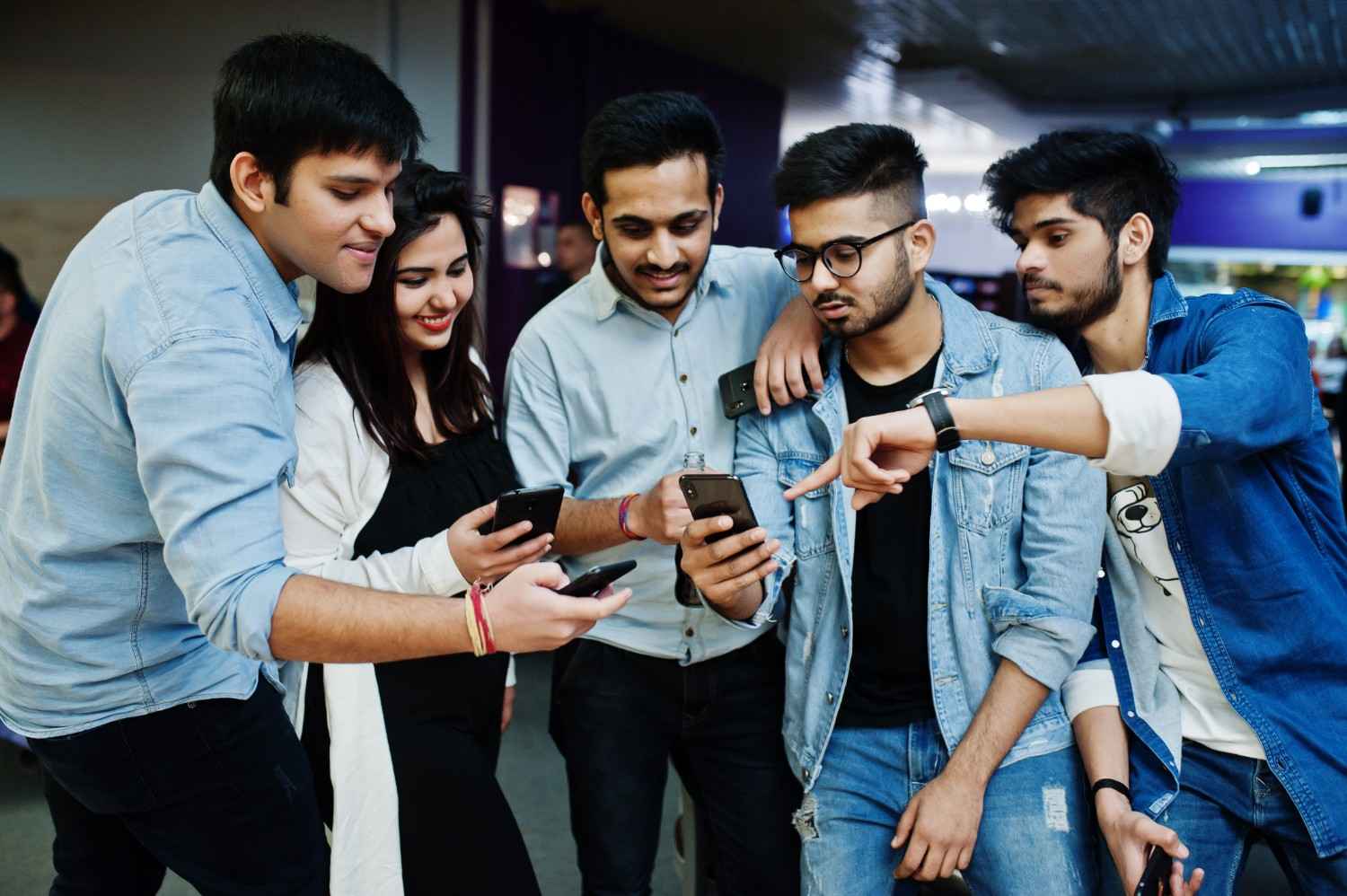
Managing Gen Z Employees in India has become increasingly important as organisations adapt to changing expectations around flexibility, communication, and feedback in modern workplaces. Behavioral Training for Gen Z Employees must adapt to changing workplace expectations because traditional training methods are becoming less effective for younger talent. Many Indian organisations experience gaps in communication and employee engagement, while the Gen Z workforce in India increasingly expects more meaningful and purpose-driven workplace experiences. This shift is driving growing demand for behavioural training programs supported by Enable IST workplace training solutions.
Understanding the Mindset of Gen Z Employees in Indian Workplaces
Gen Z employees are entering the Indian workforce in large numbers, bringing new expectations to workplaces. They prefer flexible and collaborative environments with strong digital-first communication habits and high technology dependence. They value faster career progression, continuous learning, and regular feedback with recognition from managers. This generation also prefers purpose-driven organisations with an inclusive culture, while focusing on work-life balance, mental wellness, and growth. Their expectations for communication clarity, transparency, and employee experience are significantly higher than previous generations.
Why Traditional Behavioural Training Fails with Gen Z
The way employees are traditionally trained is not meeting the needs of Gen Z workers in Indian workplaces, and they have different learning styles and expectations. There is a gap in engagement, effectiveness of communication response, and willingness to accept the traditional training methods within organisations.
Long Classroom Sessions Lose Attention
- Short attention span among Gen Z learners
- Passive lecture-based formats reduce involvement.
- Long sessions reduce information retention.
- Preference for short, interactive modules
One-Way Communication Creates Disengagement
- Limited interaction during sessions
- Low participation from employees
- Lack of discussion-based learning
- Minimal feedback exchange between trainer and learners
Generic Training Content Feels Irrelevant
- Need for role-specific learning material.
- Preference for real workplace examples
- Standard content does not fit specific job roles.
- Expectation of customised training modules
Outdated Leadership Approaches
- An authoritative management style reduces comfort.
- Lack of mentorship-based guidance
- Limited focus on a two-way feedback culture
- Traditional hierarchy slows engagement.
Major Workplace Challenges Companies Face with Gen Z Employees
Communication Gaps
- Informal communication habits affecting workplace tone
- Email etiquette issues in professional settings
- Concerns around maintaining workplace professionalism
- Differences in formal vs casual communication styles
Frequent Job Switching
- Career experimentation and exploration mindset
- Salary-driven job movement patterns
- Low long-term job commitment in early career stages
- Preference for quick role changes for growth
Difficulty Handling Feedback
- Emotional reactions to constructive criticism
- Preference for private over public feedback
- Sensitivity toward performance discussions
- Need for balanced and supportive feedback delivery.
Low Patience for Hierarchical Structures
- Strong preference for collaborative environments
- Expectation of open and approachable leadership
- Reduced acceptance of rigid reporting systems
- Desire for equal participation in decision-making
Stress and Burnout Concerns
- Increased work pressure among young employees
- Emotional fatigue from continuous digital exposure
- Difficulty managing work-life boundaries
- Rising need for mental wellness support in workplaces
What Behavioural Training Needs to Change for Gen Z Employees
A significant change is required for behaviour training for Gen Z employees in Indian workplaces to align with the current learning and engagement preferences. Older approaches are being supplanted by more participatory, flexible, and technology-enabled approaches that enhance participation and retention. Organisations are now updating training methods to better engage younger employees and improve workplace performance.
Shift from Lecture-Based Training to Interactive Learning
Behavioural training is increasingly shifting away from long lecture-based sessions toward activity-based training programs that keep employees more engaged and actively involved. In behavioural training, there is a move away from long lectures and towards activity-based training, which maintains the engagement of employees. Gen Z employees learn more about real workplace situations through group discussions, role play, and scenario-based learning. They foster participation and add an educational dimension of experience and practice.
Microlearning Training Models
Microlearning is a training technique that focuses on short, targeted training sessions that are easier to learn for employees in Gen Z. Mobile-friendly content supports learning anytime and anywhere, making training more flexible and accessible. Quick behavioural sessions improve understanding of important concepts without overwhelming learners.
Real-Time Feedback Systems
Real-time feedback systems support continuous coaching instead of delayed evaluations. Instant learning assessments help employees understand their performance immediately. This approach improves learning speed and encourages consistent behavioural improvement.
Gamified Learning Approaches
Gamification adds rewards and recognition elements into training programs to boost engagement and keep employees more actively involved. Learning becomes more engaging and interactive through rewards, challenges, and performance-based recognition systems. This strategy improves motivation and participation among younger employees.
Hybrid Learning Methods
Hybrid training combines online behavioural learning with virtual classroom sessions for better flexibility. Blended corporate training models help organisations deliver effective learning experiences to employees across different locations. This approach encourages ongoing learning while supporting employee engagement and accessibility.
Core Workplace Skills Gen Z Employees Need for Professional Growth
Gen Z employees in Indian workplaces require strong behavioural skills to support long-term professional growth and career success. These include professional workplace communication and active listening for clear interaction. Business email etiquette and meeting participation help maintain professionalism. Emotional intelligence and empathy improve teamwork, while collaboration and accountability strengthen project outcomes. Adaptability, problem-solving, and decision-making support fast-changing environments. Time management skills and productive work habits improve overall efficiency. Respectful conflict handling and workplace confidence further build professionalism, ensuring steady behavioural and career development in organisations.
Role of Managers in Engaging Gen Z Employees
Managers Must Act as Coaches
- Mentorship-driven leadership approach
- Continuous employee guidance and support
- Focus on skill development over authority-based control.
- Encouraging learning through real work situations
Frequent Communication Practices
- Weekly check-ins to track progress and challenges
- Open discussion culture for better transparency
- Regular informal communication with team members
- Quick feedback loops for faster improvement
Recognition and Appreciation
- Performance recognition through structured methods
- Motivation through timely appreciation of work
- Celebrating small and consistent achievements
- Building employee confidence through positive reinforcement
Building Psychological Safety
- Safe workplace communication environment
- Encouraging employees to share ideas freely
- Supportive response to suggestions and feedback
- Creating trust between managers and Gen Z employees
How Behavioural Training Improves Employee Retention
Behavioural training plays a key role in improving employee retention by shaping workplace behaviour, communication, and overall employee experience in organisations. It helps create a more positive and stable work environment where employees feel valued and supported in their roles.
Better Workplace Relationships - Behavioural training improves communication across teams, creating a healthier workplace culture. It helps reduce misunderstandings and strengthens collaboration between employees. This also leads to fewer conflicts and smoother day-to-day interactions in the workplace.
Increased Employee Confidence - Training helps employees develop professional behaviour and a clearer understanding of workplace expectations. It improves their confidence in handling tasks and participating in discussions. As a result, employees become more active and comfortable in workplace activities.
Higher Engagement Levels - Behavioral training encourages active involvement from employees in their work environment. It promotes a learning-focused culture where employees feel more connected to their roles. This leads to better focus, motivation, and participation in daily tasks.
Lower Attrition Rates - When employees feel satisfied with their growth and workplace environment, they are more likely to stay longer. Behavioural training supports career development and aligns employee goals with organisational needs. This reduces turnover and improves long-term retention.
Behavioural Training Requirements Across Different Industries for Gen Z Employees
Behavioral training needs for Gen Z employees vary across Indian industries based on workplace roles and expectations. IT and technology companies focus on communication and collaboration for project efficiency. Retail businesses require customer interaction skills and service behaviour. Healthcare organisations need empathy, emotional resilience, and patient communication. BPO and customer service sectors emphasise voice quality, professionalism, and stress management. Manufacturing industries focus on discipline, teamwork, and safety communication. Across all sectors, role-specific learning is essential, driving growing demand for customised behavioural training programs in India.
How HR Teams Can Redesign Behavioural Training Programs
Use Data-Driven Learning Methods
Employee feedback analysis helps organisations identify how well behavioural training programs are improving employee learning and engagement. Training performance tracking allows companies to measure skill development and evaluate how effectively employees apply behavioural learning in real workplace situations.
Personalised Learning Paths
Personalised training is being designed based on department-specific needs and job roles. Skill-based employee learning helps address individual development gaps more effectively. This approach ensures that training remains relevant and practical for each employee group.
Continuous Learning Culture
Organisations are encouraging continuous learning through monthly behavioural workshops and structured development sessions. Peer learning sessions help employees share experiences and learn from each other. This builds a more collaborative and growth-focused workplace environment.
Training Measurement Metrics
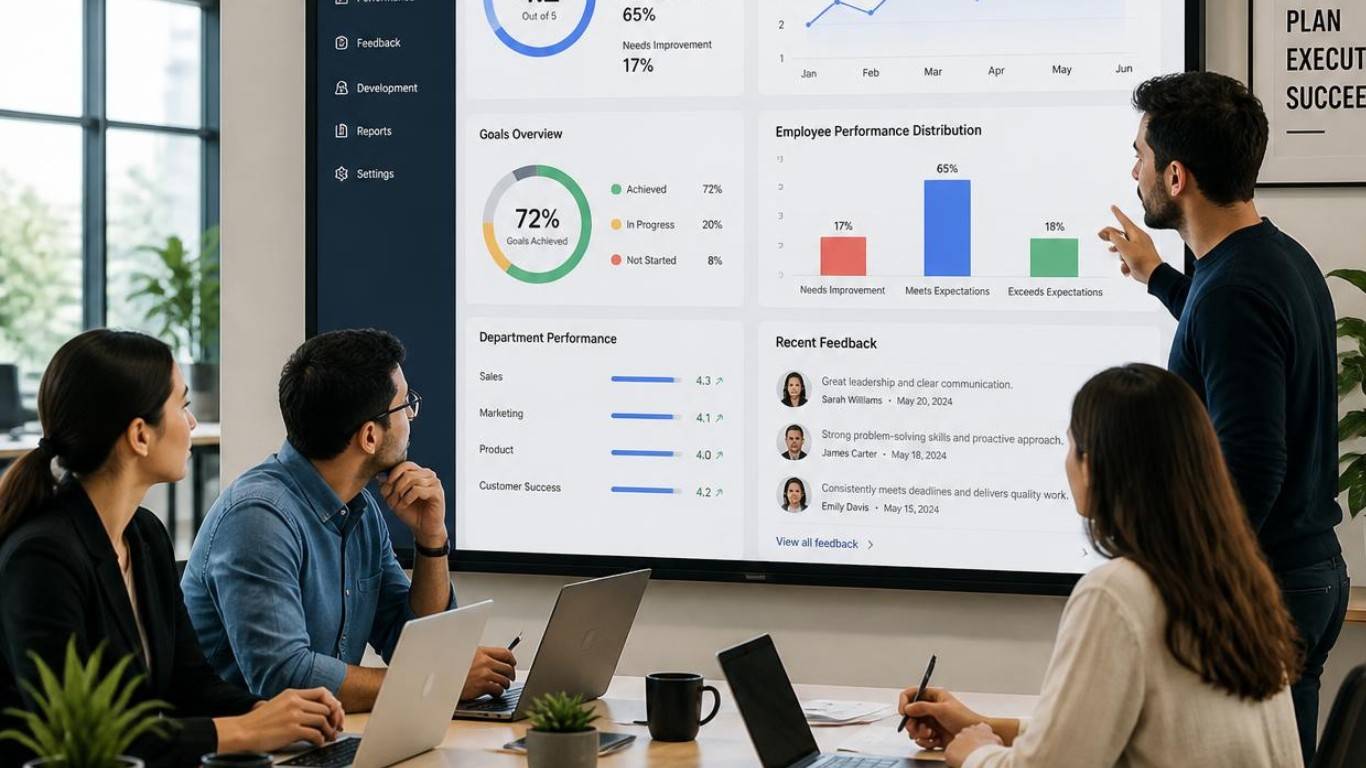
HR teams measure effectiveness using employee engagement scores to assess participation and involvement. Retention metrics help evaluate long-term impact on employee stability. Communication improvement tracking ensures behavioural changes are visible in workplace interactions.
How Enable IST Supports Companies in Training and Managing Gen Z Employees
Enable IST provides behavioural training services designed for the Gen Z workforce in Indian workplaces. It offers custom programs focused on communication, teamwork, and workplace professionalism. Leadership coaching helps managers handle young employees effectively. Hybrid learning combines online and classroom training for better engagement. Employee engagement workshops, soft skills development, and workplace culture improvement initiatives support long-term growth. Industry-specific training solutions help organisations improve retention, collaboration, and professional development outcomes across teams.
Future of Behavioural Training in Indian Workplaces
The future of behavioural training in Indian workplaces is becoming more technology-driven and employee-focused. AI-supported learning platforms help personalise training through performance tracking and recommendations. Mobile-based learning allows employees to access training anytime, improving flexibility. Continuous workplace coaching replaces one-time sessions with ongoing development. Organisations are moving toward a skill-focused corporate culture where behavioural skills are equally valued. Human-centred leadership practices are also growing, emphasising empathy, communication, and employee well-being in modern management approaches.
Common Mistakes Companies Make While Managing Gen Z Employees
Many organisations struggle to manage Gen Z employees effectively due to outdated practices that do not match modern workplace expectations. These gaps often impact engagement, performance, and long-term retention in Indian workplaces.
Treating Gen Z Employees like Previous Generations - Companies often apply traditional management styles that worked for older generations. This leads to a mismatch in expectations, reduced motivation, and lower engagement among Gen Z employees.
Ignoring Communication Preferences - Many organisations fail to adapt to the preferred communication styles of Gen Z employees. This creates misunderstandings and reduces clarity in day-to-day workplace interactions.
Delayed Feedback Systems - Slow feedback processes reduce learning speed and improvement opportunities for employees. Gen Z employees expect timely guidance to correct and improve their performance quickly.
Lack of Career Growth Discussions - Some companies avoid regular career conversations with young employees. This results in uncertainty about growth paths and reduces long-term commitment.
Poor Onboarding Experiences - Weak onboarding processes fail to engage new Gen Z employees from the start. This often leads to confusion about roles, expectations, and workplace culture
Rigid Workplace Structures - Strict hierarchies and inflexible systems limit collaboration and creativity. Gen Z employees prefer more open, flexible, and participative work environments.
Frequently Asked Questions
1. How do companies manage Gen Z employees in India?
Companies manage Gen Z employees in India by focusing on flexible work environments, regular communication, continuous feedback, and modern behavioural training programs that match their expectations.
2. What behavioural skills are most important for Gen Z employees?
Key behavioural skills include communication, teamwork, emotional intelligence, adaptability, time management, and professional workplace etiquette.
3. Why is behavioural training needed for Gen Z employees in workplaces?
Behavioural training is needed to improve workplace communication, professionalism, and collaboration, and to bridge the gap between employee expectations and organisational standards.
4. What challenges do HR teams face while managing Gen Z employees?
HR teams face challenges such as communication gaps, frequent job switching, feedback sensitivity, low patience for hierarchy, and engagement issues.
5. How can companies improve Gen Z employee retention in India?
Companies can improve retention by offering career growth opportunities, continuous learning, better feedback systems, and a supportive and engaging workplace culture.
Final Thoughts
Managing Gen Z Employees in India requires organisations to adapt quickly as Gen Z employees are reshaping Indian workplaces with new expectations and work styles. Behavioral training models now need modern learning formats to stay effective and relevant. Communication, emotional intelligence, and collaboration skills are becoming key workplace priorities for better performance and engagement. HR leaders and managers must adopt updated engagement strategies to manage evolving workforce needs. Enable IST supports organisations with structured behavioural training solutions designed for modern workforce expectations and long-term workplace effectiveness.
Get in Touch Today with Enable IST to upgrade workplace capability through behavioural training and HR solutions for stronger team performance.
Read More - Behavioural Skills Every Professional Needs in a Hybrid Workplace
Behavioural Training



0 Comments
Leave a Comment